
Why Home Trial Support?

Patient-centred. Protocol-compliant. Quality-assured.

VALEA Clinical supports sponsors, CROs and trial sites with structured home visits by qualified study nurses — according to the study protocol, site requirements and internal QMS standards.

This reduces travel, waiting times and organisational burden. Personal support in the home environment strengthens trust, continuity and retention.

Home Trial Support

Your benefits.

Structured home visits relieve participants and trial sites alike — securing quality, plannability and continuity in day-to-day trial operations.

Case study · Alpine region, 1,200 m

When infrastructure becomes a trial hurdle.

Remote homes, long journeys, weather extremes: in regions with weak infrastructure, qualified study nurses decide whether a trial remains feasible. A real case from the Austrian Alps.

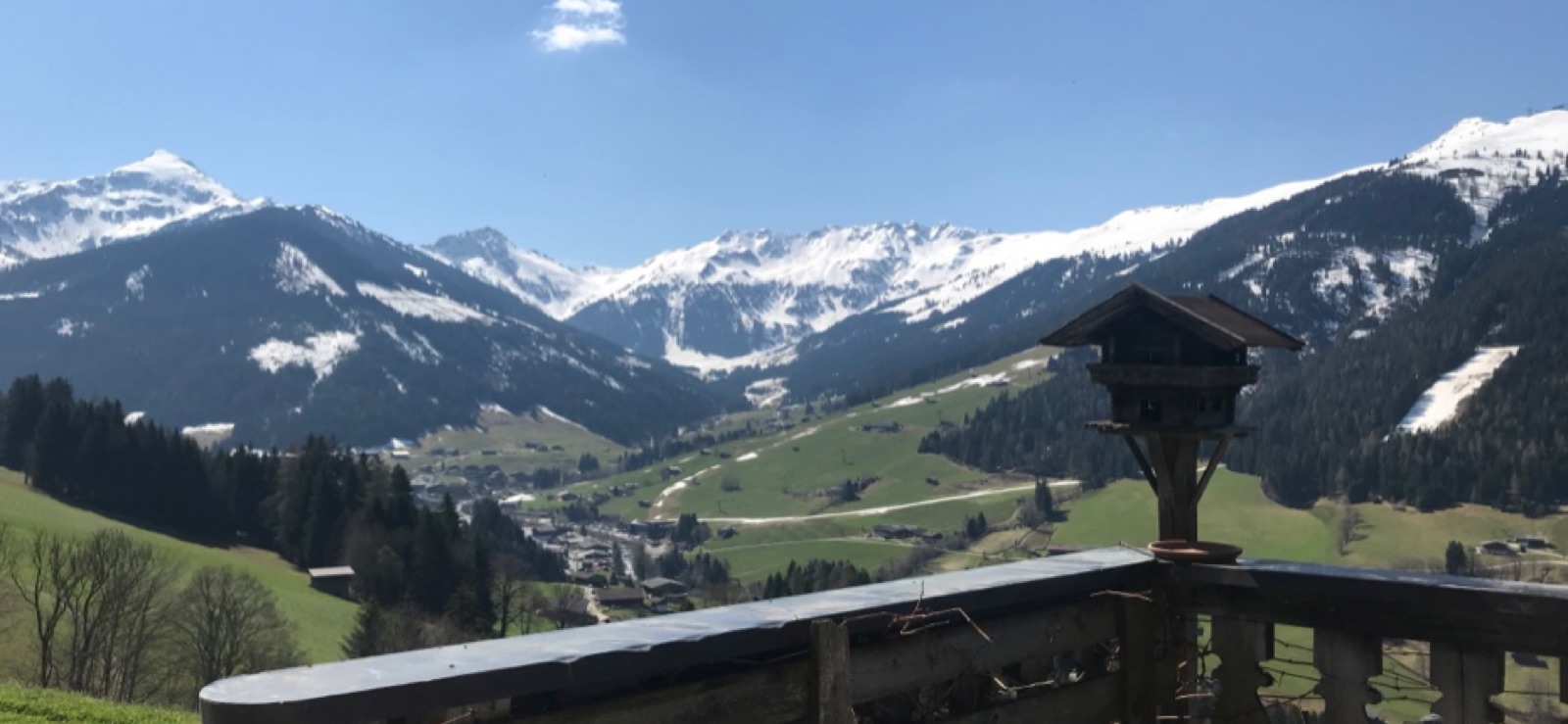
View from a trial participant's terrace across an Alpine valley at around 1,200 metres altitude
01

Trial reality begins in the home environment.

A participant lived in a remote Alpine region at around 1,200 metres altitude. That is exactly where the trial had to work: in the patient's everyday life, outside classic trial-site structures and under real-world conditions.

Phase II trial 24h continuous s.c. IMP administration via pump Safety visits intensified

In a phase II trial with 24-hour continuous subcutaneous IMP administration via pump, qualified study nurses supported the delivery of trial-related home visits. When a safety risk emerged during the trial due to IMP instability, safety visits were intensified and checks in the home environment were closely supervised.

Deeply snow-covered Alpine valley in winter — impeded access to the trial participant's home
02

When logistics become a trial risk.

During an intense winter period, access to the participant's home became considerably harder. What had been planned as Home Trial Support turned into an operational challenge for visit delivery, material logistics and data continuity.

Two and a half weeks of continuous snowfall — and an investigational product that had to be administered at the same time every day and checked for stability.
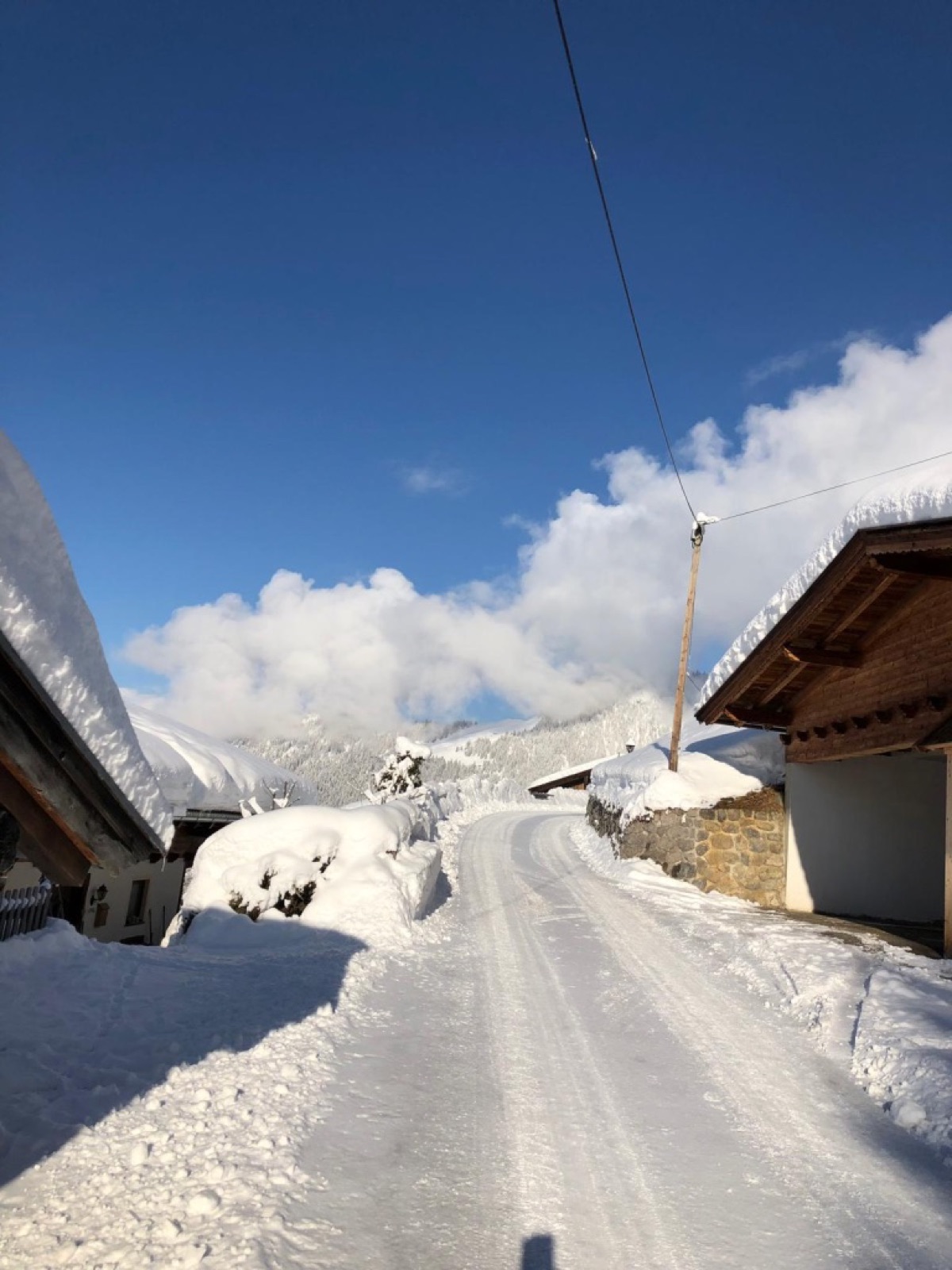
Snow-covered mountain road after two and a half weeks of continuous snowfall — the study nurse's route
03

Study nurses secure continuity.

Visits continued to take place, trial-related materials were coordinated and documentation was maintained. The study nurses were the decisive operational factor in combining patient proximity, protocol adherence and trial continuity.

Without home visits, the participant could hardly have continued the trial under these conditions — with them, safety checks, administration and data collection remained fully in place.

Why this matters beyond this case

Burden is the most common reason trials lose participants.

~50%

of participants travel at least 30 minutes one-way to a trial visit — travel ranks among the most frequently cited burdens.

CISCRP Perceptions & Insights Study, ~12,000 respondents
~30%

of participants drop out of clinical trials early on average.

Industry analyses (incl. ACRP, Applied Clinical Trials)
33 vs. 13%

withdrawal rate among participants who perceive the burden as higher than the benefit — compared to those with a positive balance.

JAMA Network Open, 2022
What this case shows

Home Trial Support means more than convenience. It makes clinical trials more accessible for participants — and supports sponsors, CROs and trial sites in delivering trial-related processes in a structured, protocol-compliant and quality-assured way, even under demanding real-world conditions.

VALEA Clinical stands for: qualified study nurses, clear site requirements, structured visit documentation and QC-oriented delivery in the home environment.

When trial conditions become challenging, the quality of execution makes the difference.

We assess whether your study protocol is suitable for Home Trial Support — structured, protocol-compliant and quality-assured. Initial conversation is non-binding and free of charge.